BUILT INSIDE THE GOVERNANCE STRUCTURE. NOT OUTSIDE IT.
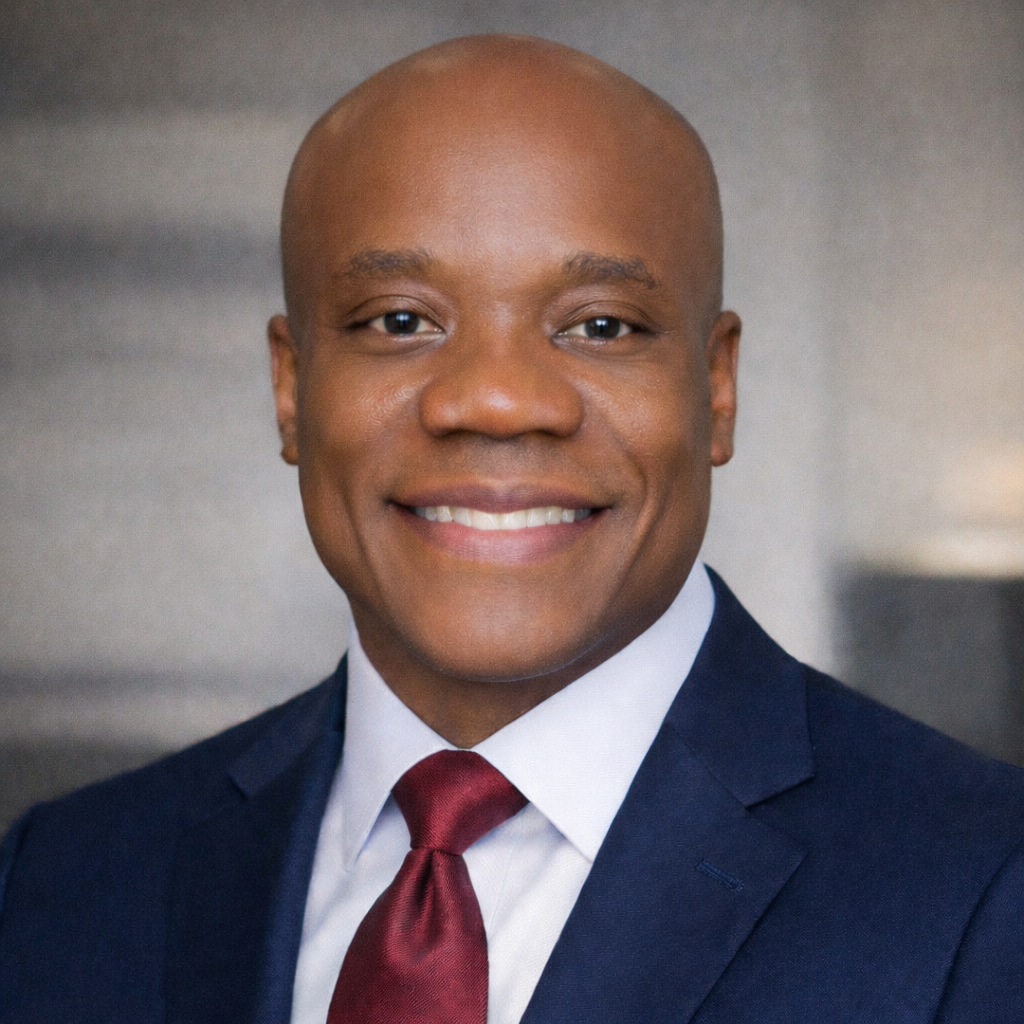
Wahoo did not start with a business plan. It started with a question I could not stop asking.
Two decades inside complex, regulated enterprises — financial services, energy, technology, manufacturing. Building audit functions under real pressure. Post-bankruptcy environments. Active regulatory scrutiny. Boards that needed confidence restored. Through all of it, one pattern kept emerging: internal audit was perpetually behind. Not because the people lacked skill. Because the function itself had not been reimagined.
Then AI arrived — not as a future possibility, but as operating infrastructure. And the question became urgent.
I watched accomplished peers — seasoned CAEs, audit committee members, risk leaders — wrestling with the same uncertainty. What does a modern internal audit function look like in an AI-driven enterprise? How do you migrate a traditional methodology into an environment where agents are making decisions, models are embedded in controls, and risk is moving faster than any annual plan can track? What does autonomous auditing mean, and who is accountable for governing it?
Nobody had a clean answer. The frameworks were incomplete. The vendors were selling tools, not judgment. Most advisory firms were offering guidance written by people who had never sat in the chair.
That is what brought Wahoo into existence.
Wahoo is built on one conviction: transforming internal audit into a modern, autonomous, AI-enabled function is not a technology problem. It is a leadership and architecture problem. It requires someone who has operated at the intersection of governance, risk, and enterprise accountability — who knows what boards need, what regulators examine, and what a sustainable control environment actually requires.
That is what I bring. Architectural judgment. The ability to design AI-enabled continuous assurance infrastructure, autonomous audit frameworks, SOX control automation, and AI governance programs from the ground up. That judgment is grounded in two decades of operational experience: standing up GRC platforms, remediating control environments under active regulatory scrutiny, and building audit organizations that boards and examiners came to rely on. I know the tools, the risk and control frameworks, the implementation sequencing, and the governance structures that make transformation sustainable. I know how to design it, resource it, and lead it.
AAIA, CISA, CCEP, MBA. Final year of the Securities Industry Institute Executive Education Program at the Wharton School. One of a small number of CAEs globally with formal AI audit certification.
Wahoo exists to move organizations across the threshold most audit functions are standing at right now: from periodic, manual, and reactive — to continuous, automated, and future-ready. Not through a framework handed over in a deliverable. Through principal-led engagement by someone who has done it, under pressure, at scale.
The future of internal audit is autonomous. Wahoo helps you build it.
Regulatory review, audit committee scrutiny, and transaction diligence do not arrive on your timeline. Organizations that build governance infrastructure ahead of those moments operate from strength. Those that respond under pressure rarely close the gap completely.
No sales process. No proposal on the first call. A direct assessment of where your governance stands and what it takes to make it defensible.